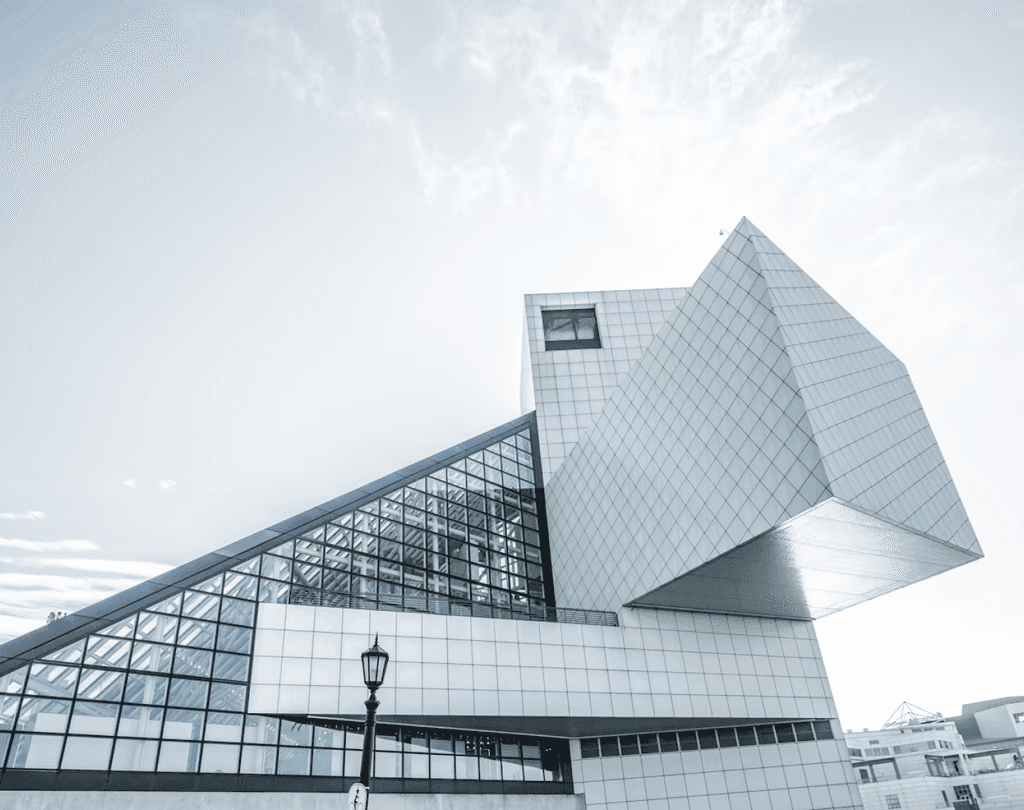
Designing for the Future: Architectural Innovations in Modern Residences
Welcome to Eden House, a thoughtfully designed residential development that redefines luxury living in Aradipou, Larnaca. This exclusive collection of modern condominiums offers an unparalleled blend of sophistication, comfort, and convenience. Whether you’re a family looking for a peaceful neighborhood, a professional seeking easy access to the city’s business hubs, or an investor aiming for high-value real estate, Eden House delivers an exceptional opportunity. Located in one of Larnaca’s most desirable areas, residents enjoy seamless access to shopping districts, gourmet dining, private schools, and cultural landmarks. With contemporary architecture, high-end finishes, and sustainable design, Eden House is more than just a home—it’s a lifestyle.
Introduction
In the past, homes were built primarily to provide shelter with a focus on tradition and permanence. Now, as we face rapid urbanization, environmental challenges, and technological revolutions, architects are rethinking every element of residential design. Modern residences are no longer static; they adapt, learn, and respond to the needs of their inhabitants. This post will take you through the transformative journey of modern residential architecture—highlighting how smart technology, sustainable materials, and flexible design solutions are converging to create homes that truly look to the future.
The Evolution of Residential Architecture
A Journey from Tradition to Innovation Historically, home design was rooted in local materials and cultural traditions. Over time, as societies grew and technology advanced, architectural styles shifted from ornate and compartmentalized layouts to more open, minimalistic spaces that champion efficiency and simplicity. Today, these modern aesthetics combine with innovative engineering and digital tools to push the boundaries of what a home can be. Bridging Heritage and Tomorrow Modern architecture often pays homage to its past while boldly stepping into the future. Designers now blend timeless elements—such as natural light and harmony with nature—with cutting-edge innovations like modular construction, adaptive façades, and smart home systems that cater to both comfort and sustainability.
Key Architectural Innovations in Modern Residences
Smart Home Integration One of the most exciting trends is the seamless integration of technology within the home. Today’s residences are equipped with: IoT and Automation: Smart lighting, climate control, and security systems that adjust based on your habits. Voice-Activated Controls: From heating to entertainment, your home becomes an intuitive, responsive space. Energy Management Systems: These monitor and optimize energy consumption, ensuring that every corner of your home works efficiently. Sustainable Materials and Green Design Sustainability is at the forefront of modern design: Eco-Friendly Materials: Innovations include recycled composites, sustainably sourced timber, and low-carbon concrete that reduce the environmental impact of construction. Green Roofs and Living Walls: These features not only improve insulation but also promote biodiversity and enhance air quality. Passive Solar Design: By strategically positioning windows and using thermal mass, homes are designed to maximize natural heating and cooling, reducing reliance on mechanical systems. Modular and Adaptive Design Flexibility is key in today’s fast-paced world: Modular Construction: Prefabricated units and adaptable layouts allow for faster construction and easier renovations. Multi-Functional Spaces: Rooms that transition from workspaces to leisure areas help maximize small urban spaces. Adaptive Façades: Dynamic exterior systems that adjust to weather conditions can improve energy efficiency and extend the lifespan of the building. Biophilic and Wellness-Focused Elements Modern residences increasingly incorporate elements that foster well-being: Indoor-Outdoor Flow: Large sliding or folding glass walls dissolve the boundaries between inside and out, connecting residents with nature. Natural Ventilation and Lighting: Designs that maximize daylight and promote air flow enhance both health and mood. Material and Color Choices: Earthy tones, natural textures, and organic forms create environments that are calming and nurturing.
Future-Focused Trends in Residential Design
Pioneering New Materials and Techniques The future promises even more remarkable advancements: Smart Materials: Self-healing concrete and adaptive insulation are already in development, promising to reduce maintenance and improve durability. Digital Fabrication: 3D printing and robotic construction techniques can drastically reduce construction times and costs, opening new possibilities for personalized design. Sustainable Energy Solutions: Integrated solar panels, wind turbines, and energy storage systems are making homes not just green, but energy self-sufficient. Embracing Urban and Suburban Evolution As urban centers continue to evolve, so too will the design of residential spaces: Mixed-Use Developments: Future communities will integrate living, working, and recreational spaces to reduce commuting and enhance quality of life. Micro-Living Innovations: In dense cities, smart designs that maximize every square foot while ensuring comfort will become increasingly popular. Resilient Architecture: Designs that withstand natural disasters and climate changes—such as flood-resistant structures and heat-reflective exteriors—will be key to future housing.
Conclusion
Designing for the future in residential architecture is about creating spaces that are smart, sustainable, and adaptable. Modern innovations—ranging from integrated smart systems and eco-friendly materials to flexible, modular designs—are setting new standards for how we live and interact with our environments. As technology and sustainability continue to evolve, so too will our homes, transforming them into dynamic spaces that cater to our every need while preserving our planet for future generations. By embracing these innovations, architects and homeowners alike can look forward to a future where every residence is not only a place to live but a responsive, efficient, and harmonious environment. Thank you for joining me on this exploration of tomorrow’s living spaces—here’s to designing a brighter future, one home at a time.